
Best Time to Paint Your House Interior in Toronto: Month-by-Month Guide 2026

Timing your interior painting project correctly can mean the difference between a flawless, long-lasting finish and paint that peels, blisters, or fails to cure properly. Toronto's distinct seasonal climate creates varying conditions throughout the year that directly impact paint application, drying times, and final results. While many homeowners assume spring and summer are the only viable painting seasons, understanding how temperature and humidity affect paint performance reveals surprising opportunities year-round.
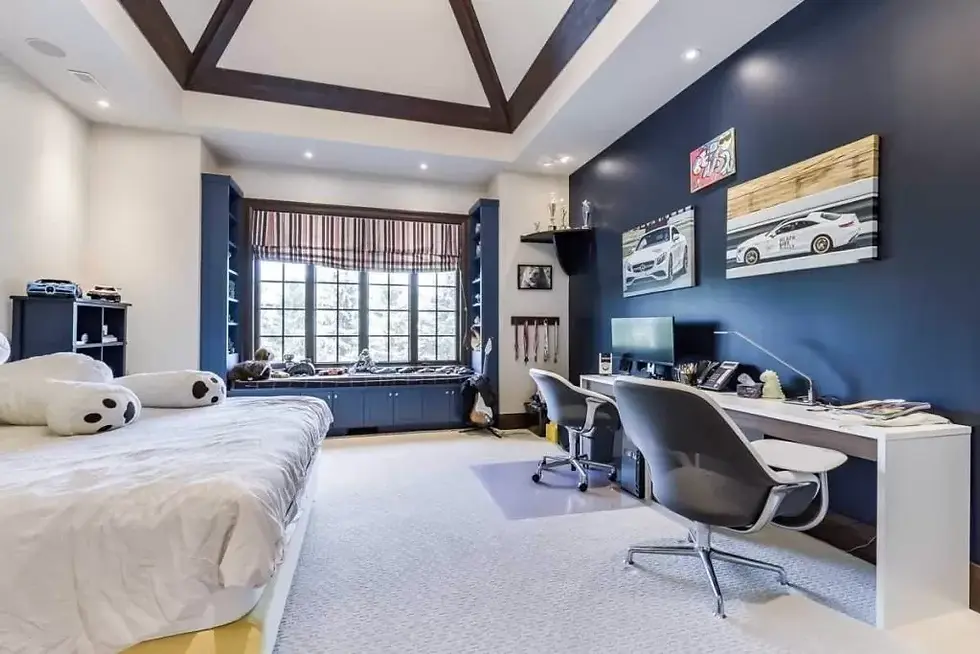
How Toronto's Climate Affects Interior Painting
Toronto experiences dramatic humidity fluctuations throughout the year, with summer months reaching 65-80% humidity levels while winter brings significantly drier conditions. These variations profoundly impact paint drying and curing processes. The optimal painting conditions occur when humidity levels remain between 40-70% and temperatures stay within 60-80°F (16-26°C).
High humidity extends drying times because moisture in the paint takes longer to escape, potentially causing poor adhesion and compromised protective qualities. Conversely, extremely low humidity pulls moisture from paint too rapidly, preventing proper bonding and reducing durability. Understanding these dynamics helps Toronto homeowners schedule projects during ideal windows for their specific rooms and requirements.
January & February: Peak Interior Painting Season
Winter emerges as surprisingly ideal for interior painting in Toronto, contradicting common assumptions. January and February offer the best combination of low humidity and consistent indoor temperatures thanks to heating systems maintaining stable 68-72°F environments. These conditions allow paint to dry and cure more efficiently than humid summer months, resulting in faster project completion and superior finishes.
Advantages: Painting contractors typically have greater availability during winter months, often offering competitive pricing to fill their schedules. Your home's heating system maintains perfect temperature consistency regardless of outdoor conditions. Paint dries predictably without humidity-related complications. Ventilation concerns are minimal since you're not opening windows anyway during Toronto's cold winters.
Considerations: Plan projects around holiday schedules if working with professional painters. Ensure adequate ventilation in bathrooms and kitchens where moisture levels naturally run higher. Keep heating systems running consistently throughout the project to maintain optimal temperature ranges.
March: Transition Month with Variable Conditions
March presents unpredictable conditions as Toronto transitions from winter to spring. Indoor heating remains active during cold snaps while milder days may tempt homeowners to open windows, creating temperature fluctuations that affect paint curing. Early March generally maintains winter's favorable low-humidity conditions, while late March can introduce spring moisture.
Best Practices: Monitor indoor humidity levels with a hygrometer, targeting the 40-60% range. Continue running heating systems consistently rather than switching to intermittent use. Avoid opening windows during paint drying periods, even on warmer days, as temperature consistency matters more than fresh air during curing. Schedule projects for early-to-mid March to capture winter's stable conditions before spring unpredictability arrives.
April & May: Spring Planning and Preparation
Spring brings moderate temperatures ideal for painting, though April and May introduce increased humidity as Toronto thaws. These months work well for interior projects if you manage moisture levels carefully. Late spring (mid-May onward) typically offers better conditions than early spring when ground moisture and rainfall keep humidity elevated.
Strategic Approach: Focus on upper-floor rooms first, as they maintain lower humidity than basements during spring melt. Use dehumidifiers in rooms scheduled for painting, especially in older homes without modern HVAC systems. Allow extra drying time between coats—extend the typical 4-6 hour recoat window to 6-8 hours when humidity exceeds 60%. Schedule projects during dry weather forecasts rather than rainy periods that drive indoor humidity upward.
Project Prioritization: Spring is excellent for painting bedrooms, living rooms, and dining rooms. Save bathrooms and basements for drier months. Consider this season for color consultations and surface preparation while reserving actual painting for optimal weather windows.
June, July & August: Summer Challenges
Toronto summers create the most challenging interior painting conditions with humidity frequently reaching 65-80%. High humidity dramatically extends drying times, with paint taking considerably longer to cure than manufacturer specifications suggest. Summer heat combined with moisture increases risks of paint skinning over before lower layers dry, potentially causing surface imperfections.
Summer Painting Tips: Run air conditioning consistently to control both temperature and humidity. Never paint during heat waves when temperatures exceed 85°F, as excessive heat causes paint to dry too quickly on the surface while remaining wet underneath. Use fans to improve air circulation without creating drafts that deposit dust on wet paint. Choose low-humidity days (check weather forecasts for humidity percentages) and avoid painting during or immediately after rainfall.
Room Selection: If you must paint during summer, prioritize air-conditioned rooms on upper floors where you can maintain environmental control. Avoid basement painting during summer months when below-grade spaces accumulate moisture. Extend drying times between coats—what takes 4 hours in winter may require 8-12 hours in humid summer conditions.
September & October: Prime Fall Painting Window
Early fall rivals winter as Toronto's best interior painting season. September and October deliver moderate temperatures (10-25°C), lower humidity than summer, and stable conditions perfect for paint application. Fall's combination of comfortable working temperatures and controlled moisture creates optimal drying and curing environments.
Fall Advantages: Contractor availability improves as exterior painting season concludes, often bringing better scheduling flexibility. Indoor temperatures remain comfortable without heavy heating or cooling system use. Humidity naturally drops as summer moisture dissipates. Paint cures at ideal rates without rushing or extending beyond normal timeframes. Opening windows for ventilation becomes practical again on mild days.
Project Scheduling: Early September through mid-October offers the longest stretch of consistently favorable conditions. Complete projects before late October when heating systems activate regularly, though winter conditions also work excellently. Fall is perfect for whole-home interior transformations, as you can paint multiple rooms sequentially under stable conditions.
November & December: Return to Ideal Winter Conditions
As heating systems activate full-time, November and December recreate the excellent conditions found in January and February. Low humidity and consistent indoor temperatures return, making these months outstanding for interior painting despite common misconceptions about winter projects. The controlled indoor environment actually provides more reliable conditions than transitional spring and fall periods.
Holiday Scheduling: Plan projects around Thanksgiving and Christmas celebrations. Early November and early-to-mid December work best, allowing paint to fully cure before hosting gatherings. Many homeowners complete painting in November to enjoy refreshed spaces throughout the holiday season.
End-of-Year Benefits: Contractors often offer year-end pricing incentives to meet annual revenue goals. Your home's heating system maintains perfect temperature stability. Fresh paint smells dissipate quickly in dry winter air compared to lingering odors in humid summer conditions.
Room-Specific Timing Considerations
Certain rooms require extra attention to timing regardless of season. Kitchens and bathrooms generate significant moisture from cooking and bathing, making them challenging during already-humid months. Schedule these high-moisture rooms for winter when you can control humidity through heating systems and the baseline moisture level remains low.
Basements present unique challenges in Toronto's climate. Paint these below-grade spaces during peak winter (January-February) or fall (September-October) when ground moisture reaches its lowest levels. Never paint basements during spring melt or summer humidity peaks. Guest bedrooms and formal spaces used infrequently can be painted during any favorable weather window, while high-traffic areas benefit from winter's faster curing times to minimize household disruption.
Optimal Temperature and Humidity Guidelines
Regardless of season, maintain indoor temperatures between 60-80°F (16-26°C) during painting projects. This range allows paint to flow properly during application and dry at optimal rates. Keep humidity between 40-70%, with the sweet spot being 45-60% for most paint formulations.
Use a digital thermometer-hygrometer combination to monitor conditions in rooms scheduled for painting. These inexpensive devices provide accurate readings that help you determine if conditions support quality results. When humidity exceeds 70%, postpone painting or use dehumidifiers to bring levels down. When humidity drops below 35%, add moisture through humidifiers to prevent paint from drying too rapidly and failing to bond properly.
FC Painting's Recommended Annual Schedule
Based on Toronto's climate patterns and optimal painting conditions, FC Painting recommends this prioritized schedule for homeowners planning interior projects in 2026. January through February offers peak conditions for whole-home transformations, major kitchen repaints, and moisture-sensitive spaces like bathrooms and basements. The combination of contractor availability, competitive pricing, and ideal environmental conditions makes winter Toronto's secret painting season.
September through October provides the second-best window, particularly for homeowners who prefer moderate temperatures without heating system dependency. These months work beautifully for living rooms, bedrooms, and multi-room projects where you want comfortable working conditions. March and November serve as excellent secondary options when winter and fall schedules fill up, though watch for transitional weather that may require extra environmental controls.
Avoid scheduling non-urgent projects during June, July, and August unless you have exceptional humidity control through air conditioning systems. If summer painting becomes necessary, work with experienced professionals like FC Painting who understand how to manage Toronto's challenging summer conditions through proper preparation, environmental controls, and extended curing times between coats.
Planning Your 2026 Interior Painting Project
Start planning your interior painting project 6-8 weeks before your target start date. This timeline allows for color selection, quote comparisons, and contractor scheduling during their optimal availability windows. For winter projects (January-February), begin planning in November. For fall projects (September-October), start your planning process in July.
Toronto homeowners who schedule interior painting during peak seasons—winter and fall—consistently achieve better results, faster project completion, and more predictable outcomes than those painting during challenging summer humidity. Understanding how Toronto's climate affects paint performance empowers you to choose timing that delivers the flawless, long-lasting finish your home deserves while potentially saving money through off-season contractor rates.
FC Painting specializes in year-round interior painting services throughout Toronto, with expertise in managing environmental conditions for optimal results regardless of season. Contact FC Painting for a detailed consultation about timing your specific project to capture ideal conditions for your rooms, paint selections, and scheduling preferences.


Comments